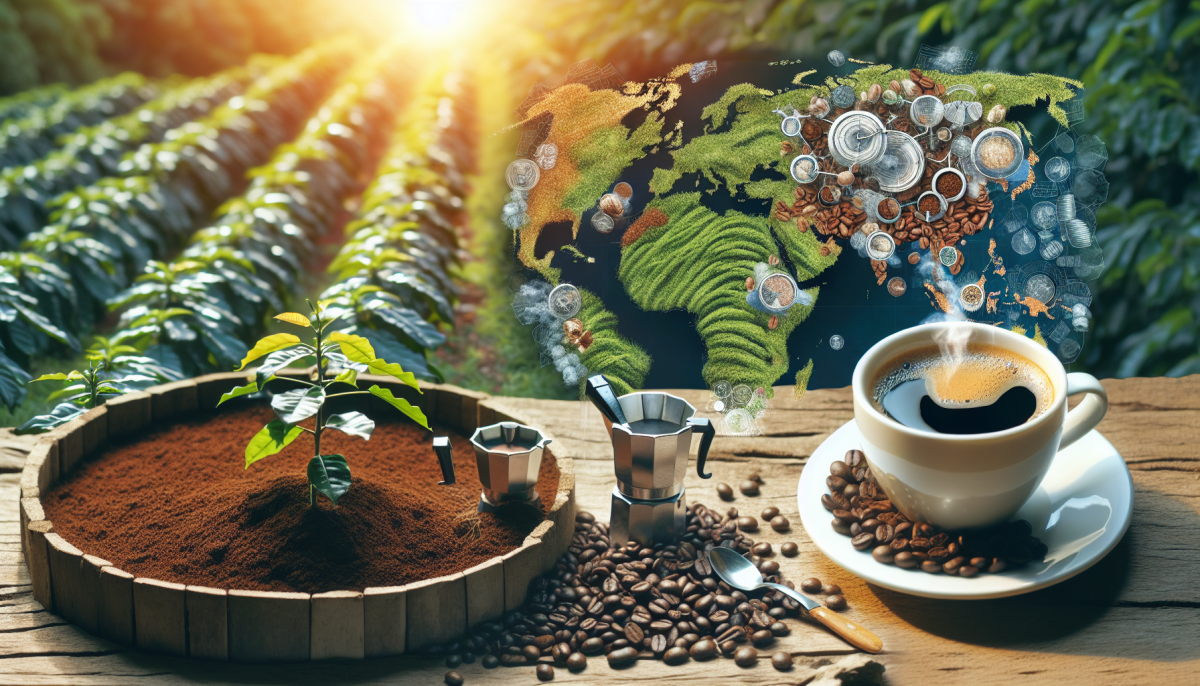
Coffee has a fascinating journey that takes it from tropical farms to coffee shops all around the world. It all starts in places like Ethiopia, where legend says coffee was discovered by a goat herder named Kaldi. He noticed his goats were buzzing with energy after munching on some coffee cherries. That discovery kicked off coffee's rise to fame!
From Ethiopia, coffee spread to the Middle East. It wasn't long before it became the drink of choice in places like Yemen. Coffeehouses popped up, often called "qahveh khaneh," and these spots turned into hubs for conversation, poetry, and lively debate. Imagine sipping a cup while discussing the latest news or sharing stories with friends. That vibe still exists in coffee shops today!
By the 17th century, coffee made its way to Europe. It faced some skepticism at first, even being called the "bitter invention of Satan" by some. But once people gave it a try, it quickly became a favorite. From Paris to London, cafes became popular meeting places for artists, thinkers, and innovators. Coffee fueled some of the most significant conversations that shaped modern society.
These days, coffee is a global phenomenon. You can find coffee beans from different countries, each with its unique flavor profile. Whether you enjoy a light roast from Ethiopia or a bold brew from Brazil, there’s a flavor out there for everyone. Plus, with the rise of specialty coffee, you can dive deep into the world of brewing methods and bean varieties, making your coffee experience even richer.
From Bean to Brew
Have you ever thought about the journey your cup of coffee takes before it reaches you? It all starts with the humble coffee bean, which comes from the coffee plant. These beans grow in a few specific regions around the world, often called the "coffee belt." Here, farmers carefully nurture the plants. They hand-pick the beans when they’re ripe, ensuring only the best make it to the next step.
Once the beans are harvested, they go through a process called processing. This is where the magic happens! The beans are either dried in the sun or washed to remove the outer layers, which only takes a few days. After that, they’re roasted. Roasting brings out the rich flavors we love in our coffee. The temperature and time here are crucial, as they determine if your coffee will taste fruity, nutty, or something else entirely!
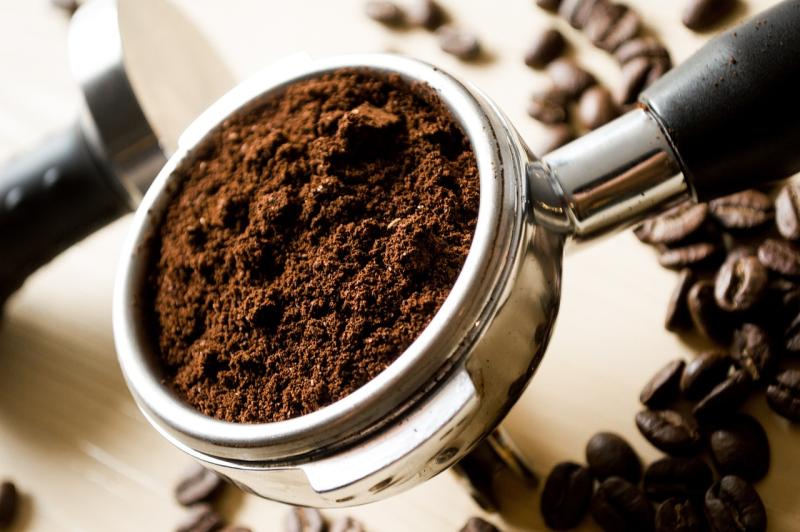
After roasting, it's time to grind those beans. Depending on how you brew your coffee, the grind size can greatly affect the taste. Coarse for French press, fine for espresso—you get the idea. Once ground, you can brew your coffee using your favorite method, whether that's a quick drip coffee maker or a classic pour-over. Each method highlights different flavors and aromas.
Finally, you get to enjoy your brew! From the moment it’s harvested to that first sip, coffee transforms so many lives. It connects us, inspires conversations, and fuels those busy mornings. So, next time you drink your coffee, think about the journey it took to get to your hands—it’s a story worth savoring.
Cultural Impact of Coffee
Coffee isn't just a drink; it's a global phenomenon that has woven its way into the fabric of cultures all around the world. From morning rituals to social gatherings, it plays an essential role in our daily lives. Think about how coffee shops have become popular meet-up spots. They’re where friends catch up, coworkers brainstorm, and artists find their inspiration.
In many countries, coffee breaks are part of the daily routine. In Italy, the espresso culture is almost sacred, while in Brazil, coffee's importance goes back centuries. The drink isn’t just about caffeine; it's about connection and tradition. Each culture has its unique way of brewing, sipping, and enjoying coffee, showcasing the diversity of tastes and customs.
Let’s not forget about the impact coffee has had on economies. Countries that grow coffee heavily rely on its production for their livelihoods. The bean goes beyond just a beverage; it’s a vital part of trade and industry. Plus, fair trade practices make a difference, helping farmers get a fair shot and fostering sustainable practices.
Coffee has even sparked social change and stirred movements. In the 18th century, coffeehouses were hubs of discussion and political debate. People gathered to share ideas, which often led to significant social shifts. It’s fascinating how something as simple as a cup of coffee can ignite conversation and influence the world around us.
The Economics of Coffee Trade
Coffee isn't just a delicious drink; it plays a huge role in the economy around the world. Millions of people depend on coffee for their livelihoods. From the farmers who grow the beans to the baristas who brew the perfect cup, coffee is a big deal. It’s one of the most traded commodities globally, right up there with oil and gold.
When you think about it, coffee farming is like a lifeline for many communities in coffee-growing regions. Countries like Brazil, Colombia, and Ethiopia rely heavily on coffee exports. The income from selling coffee helps families pay for education, healthcare, and housing. It creates jobs, supports local businesses, and drives economic growth.
The coffee trade also opens up opportunities for entrepreneurship. Small farmers can sell their beans directly to consumers or co-ops, often getting a better deal. This direct trade means they keep more of the money, which can help lift entire communities out of poverty. Plus, consumers love knowing they're supporting fair trade practices when they sip their morning brew.
On the flip side, the coffee market has its challenges. Prices can fluctuate a lot due to weather changes, pests, and even global demand. These ups and downs can be tough for farmers who need steady income. But businesses are finding creative solutions, like investing in sustainable farming practices to help stabilize their supply.